Decoding Your Cat’s Language
Cats may seem like mysterious creatures, but their language is actually quite intuitive once you learn to decipher it. By understanding the subtle cues and behaviors of your feline friend, you can gain valuable insight into their needs, preferences, and emotional state. In this blog post, we'll explore the key elements of cat communication, empowering you to become a cat whisperer in your own home.
From the positioning of their ears to the swish of their tail, cats use a rich tapestry of physical signals to convey their message. A slow blink, for instance, is a sign of trust and affection, while a twitching tail tip indicates irritation or overstimulation. Mastering these visual cues is the first step in unlocking the secrets of your cat's language.
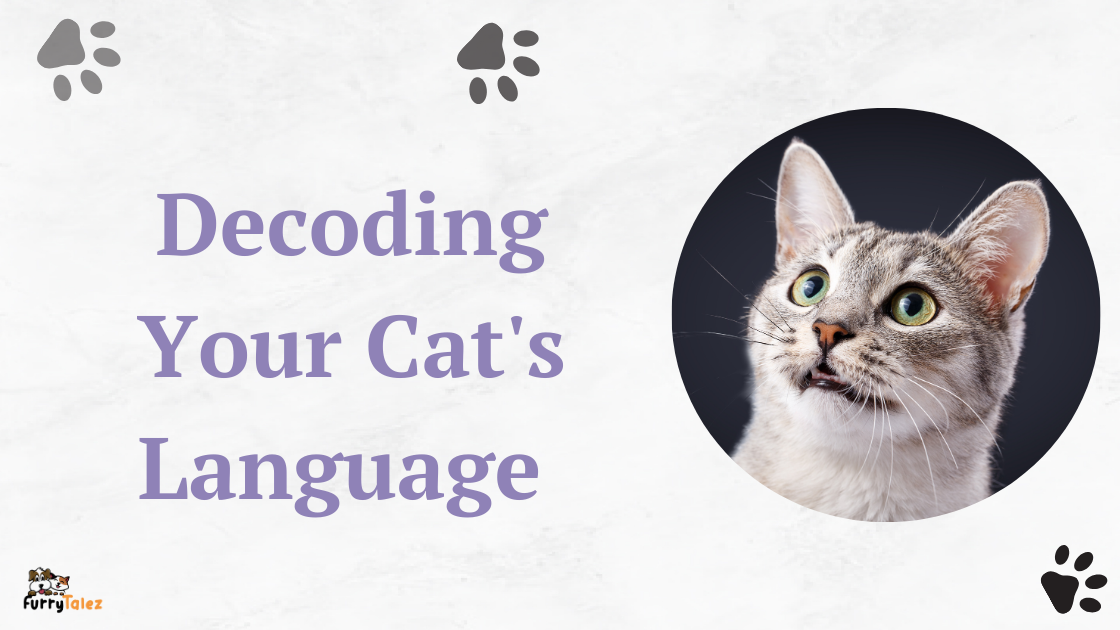
But it doesn't stop there. Cats also rely on a range of vocalizations, from the familiar meow to the less common chirp or trill. Each sound carries a distinct meaning, whether it's a request for attention, a warning, or a contented purr. By paying close attention to the pitch, duration, and context of your cat's vocalizations, you can better understand what they're trying to communicate.
Decoding your cat's language is not only fascinating but also essential for building a stronger bond and providing the best possible care. When you can anticipate your cat's needs and respond accordingly, you create a harmonious and fulfilling relationship that benefits both of you. So, the next time your feline friend seems to be trying to tell you something, take a moment to listen and observe – you might be surprised by what you discover.
Read More: Decoding Your Cat’s Language


Comments
Post a Comment